Signature System
Sudden Attack Zero Point Weapon Customization
Sudden Attack Zero Point weapon customization is the signature system that separates this remaster from the 2005 original: every gun is a chassis you rebuild from a pool of more than 200 exclusive primary parts plus 36 shared parts, and skins on top. Swapping a scope, muzzle, or magazine changes recoil, reload speed, and appearance, so two players carrying the same rifle can play it completely differently. Nexon has not published the full attachment stat tables yet, but the slot structure confirmed in the Final Closed Beta is clear: eight slots on primaries, five on secondaries, and two on melee. The 13 primary and 4 secondary weapons in the beta all feed into this one framework, which is why the store tags list Gun Customization as a headline feature.
Sudden Attack Zero Point Weapon Customization: The Parts System
The foundation of Sudden Attack Zero Point weapon customization is a two-tier parts pool. More than 200 exclusive primary parts are locked to specific guns or classes, while 36 shared parts fit across multiple weapons, giving roughly 236 functional components before any cosmetic skins are counted. Exclusive parts are where a weapon gets its identity: a magazine, barrel, or stock built for one platform will not drop straight onto another. Shared parts act as the flexible glue, letting you reuse a favorite grip or optic across several loadouts.
Every part touches three levers the game exposes: recoil, reload speed, and appearance. That means the same rifle can be tuned into a low-recoil spray tool or a snappy, fast-reloading close-range gun without ever switching weapons. Because parts change how the gun behaves and not just how it looks, they are functional gear rather than pure cosmetics — an important distinction on a free-to-play title that also sells chance-based crates. Nexon has not released the exact stat deltas per part, so treat build advice below as directional until the live client publishes the numbers.
Primary Weapons: All Eight Slots
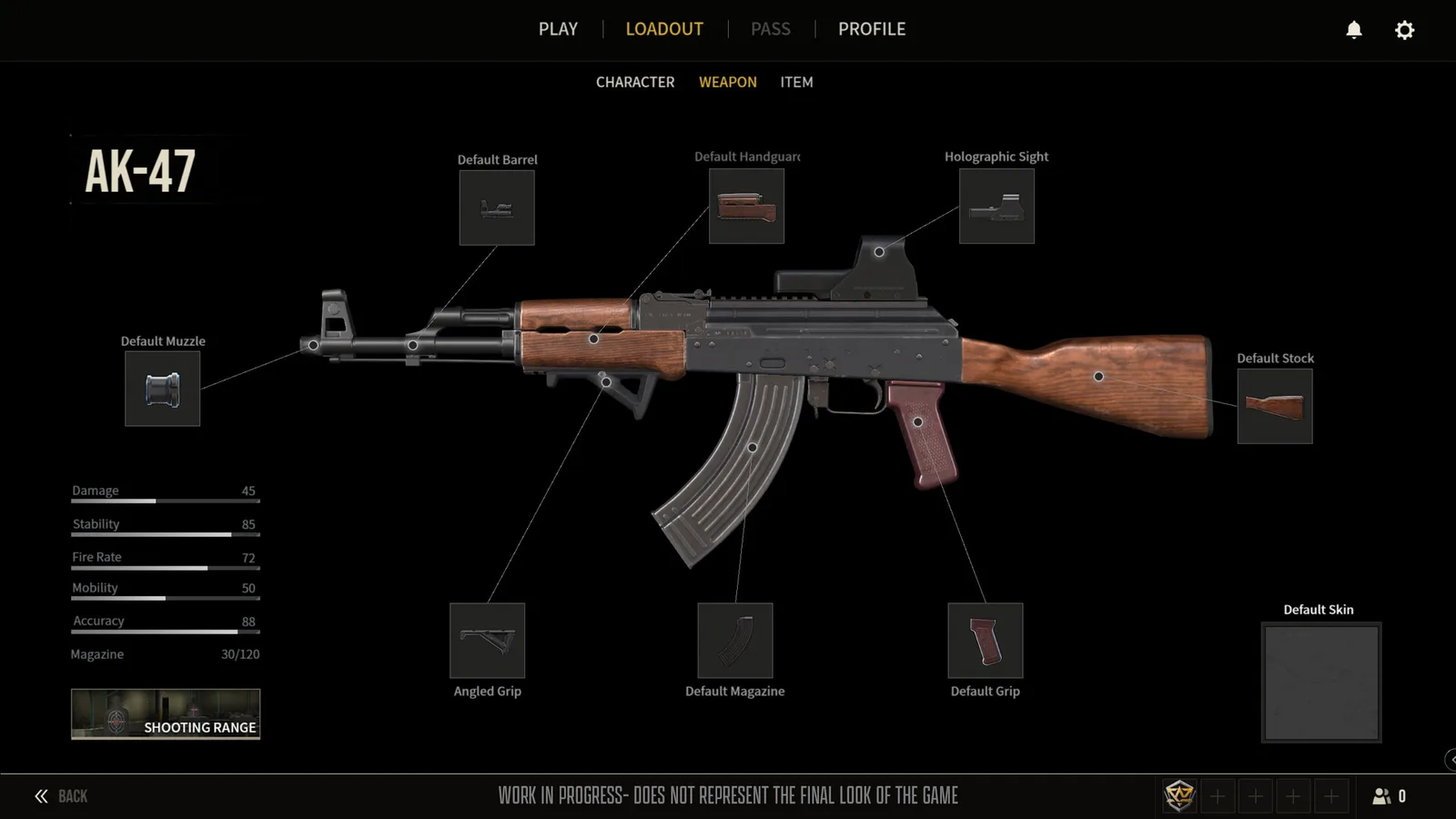
Primary weapons carry the deepest Sudden Attack Zero Point weapon customization in the game with eight slots: scope, grip, magazine, underbarrel, muzzle, barrel, handguard, and stock. Each addresses a different part of the shooting loop. The scope sets your sightline and target acquisition; the grip and stock govern how the gun settles between shots; the muzzle and barrel shape recoil pattern and, by extension, spray control. The magazine trades capacity against reload speed, the underbarrel adds handling or stability, and the handguard rounds out the weapon's balance and look.
With eight independent slots, a single primary such as the KRISS Vector — the one weapon Nexon has named in press coverage — can be assembled into dozens of distinct configurations. This is the depth that no competitor database currently models, and it is the reason two teammates running the same SMG can occupy different roles. Because exclusive parts dominate the primary pool, expect each of the 13 beta primaries to have its own long list of gun-specific magazines, barrels, and stocks rather than a universal parts bin.
Secondary and Melee Customization
Secondaries — the four sidearms in the Final Closed Beta — use a trimmed five-slot layout: scope, grip, magazine, underbarrel, and muzzle. It mirrors the primary system minus the barrel, handguard, and stock, which keeps pistol tuning meaningful without turning a backup gun into a second rifle. You can still cut recoil with a muzzle, extend a magazine, or fit an optic, so a well-built sidearm remains a real answer to an eco round or a mid-fight primary reload.
Melee weapons take the shortest path with two slots: blade and handle. These lean toward appearance and feel rather than the deep ballistics tuning of a firearm, but they still slot into the same customization menu. One notable exception sits outside the whole system entirely: the C4 is not customizable. That fits its role as a fixed objective tool in Bomb Defusal rather than a personal weapon you invest parts into. Across the three tiers, the slot counts — 8, 5, and 2 — give a clean mental model for how much Sudden Attack Zero Point weapon customization each weapon type rewards.
Earning Parts and the Black Market
Parts are earned through play, not handed out at a fixed loadout screen. Beta events surfaced several currencies feeding the pipeline: SP as an earnable soft currency, Key Cards to open Crates such as the Epic Skin Parts Crate awarded for a Match Victory, and beta-only Event Tokens from missions. Weapon mastery also pays out skins once a gun hits its max level. Crates are chance-based, which the Steam page discloses alongside in-app purchases, so some parts and skins arrive through randomized rewards.
What makes this economy unusual is the Black Market, a player-to-player trading hub for earned skins, parts, attachments, and items. Because functional parts are tradeable, your loadout is not capped by your own drops — you can trade toward the exact barrel or magazine a build needs. That directly ties Sudden Attack Zero Point weapon customization to the game's wider economy: a part you never unlocked yourself can still end up on your gun. Note that every item earned during the closed beta was wiped afterward, so beta inventories do not carry into launch.
Skins Versus Functional Parts
Keep the two categories separate when you plan a build. Functional parts — the components filling those 8, 5, and 2 slots — change recoil, reload speed, and handling, and are the pieces that actually alter performance. Skins are cosmetic only; they reskin a weapon or part without touching its stats. A gold or patterned finish looks different and nothing more, which matters on a title that sells chance-based cosmetics.
This split is why Sudden Attack Zero Point weapon customization should not be read as strictly cosmetic. Nexon has not published a pay-to-win statement, and because parts are functional and tradeable rather than looks-only, the honest framing is that builds can differ in capability, not just appearance. Practically, spend your progression on the parts that move recoil and reload numbers first, and treat skins — whether from mastery, crates, or the Black Market — as the layer you add once a loadout already performs the way you want.
Building for CQC Versus Long Range
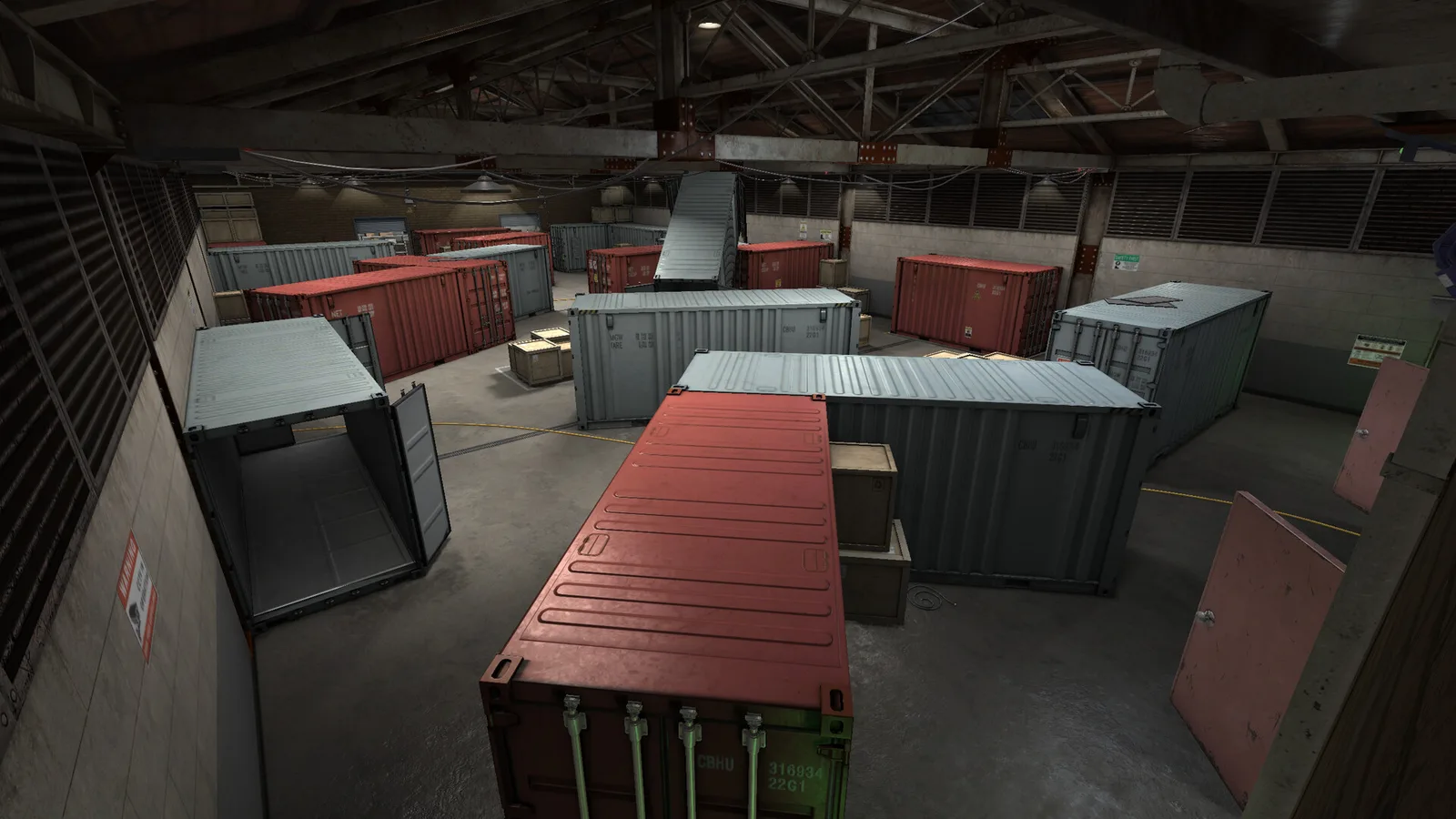
The same weapon splits into two archetypes depending on the parts you bolt on. For close-quarters combat on the beta's two CQB Team Deathmatch maps, prioritize handling and recovery: a muzzle and grip that tame the first few shots of a spray, a magazine that keeps reload speed high for repeated short fights, and a low-magnification or reflex scope for fast target pickup. Mobility and snap matter more than raw stability when engagements open at a few meters and reset constantly, and this is where Sudden Attack Zero Point rewards a build tuned specifically for the fight you expect.
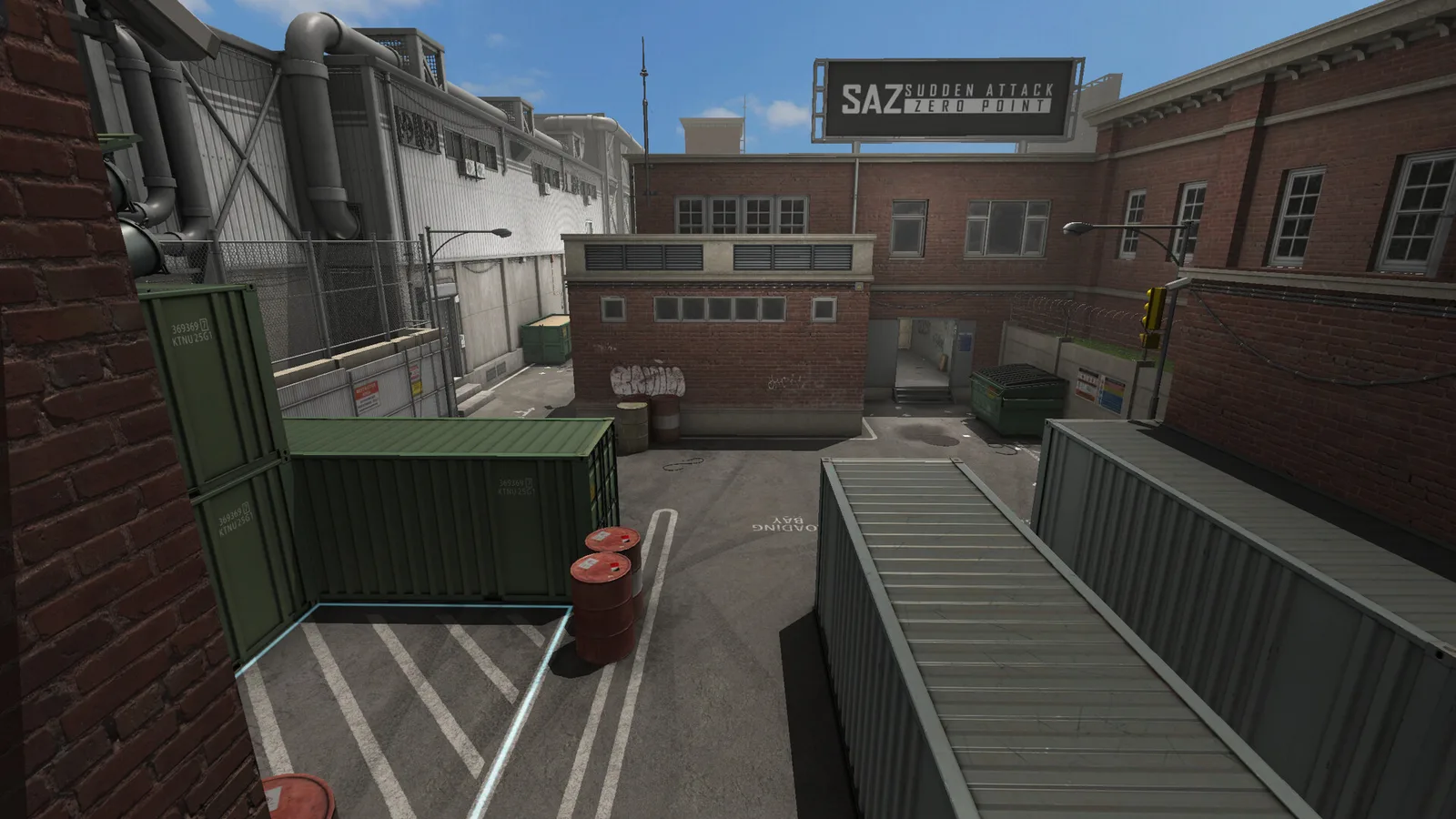
For long-range control on the four Bomb Defusal maps, flip the priorities: a barrel and stock that flatten recoil for sustained accuracy, an underbarrel that steadies the platform, and a higher-magnification scope to hold angles across a site. The trade-off is usually handling — a long-range build settles slower between targets. Because Sudden Attack Zero Point weapon customization exposes recoil and reload as the tunable axes, the CQC-versus-range decision comes down to which of those you protect and which you spend, all without ever leaving the same base weapon.